
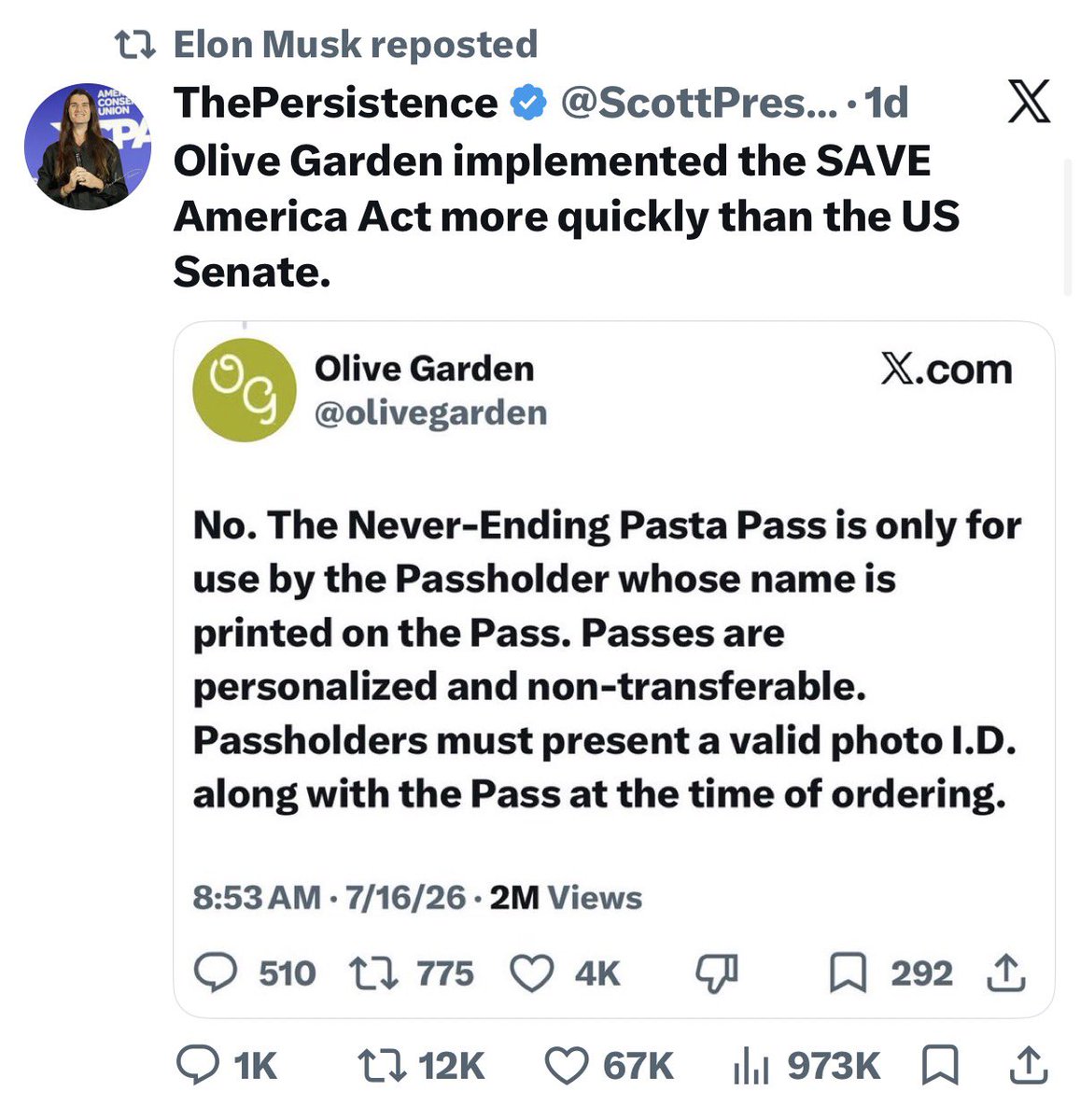
Voters across Pennsylvania may soon see a new photo‑ID requirement at polling places, a shift sparked by a meme that compared a popular restaurant’s loyalty card rules to federal election law. On July 19, 2026, conservative activist Scott Presler posted an X message thanking Elon Musk and citing Olive Garden’s “Never‑Ending Pasta Pass” policy as proof that the government could enforce similar ID checks. The post, shared by the activist’s 30,000‑plus followers, juxtaposed Olive Garden’s requirement that a passholder present a valid photo ID with the pending SAVE America Act, which seeks to mandate comparable verification for ballot eligibility. By turning a fast‑food promotion into a political talking point, Presler turned an everyday consumer experience into a rallying cry for election‑security legislation, a strategy that could reshape how grassroots campaigns frame policy debates.
On July 19, 2026, conservative activist Scott Presler posted a meme linking Olive Garden’s photo‑ID rule for its Never‑Ending Pasta Pass to the proposed SAVE America Act, urging that the federal government adopt the same verification standards for voting.
Background of the Olive Garden policy and meme
Olive Garden’s official X account clarified on July 15, 2026 that the Never‑Ending Pasta Pass is non‑transferable and requires a valid photo ID at the time of ordering. That policy, intended to curb misuse of a free‑refill promotion, quickly became fodder for political commentary because it mirrors voter‑ID arguments. By highlighting a corporate practice that most Americans encounter weekly, the meme transformed a niche restaurant rule into a national talking point about election integrity. Historically, corporate ID mandates—such as airlines’ “real‑ID” checks after 9/11—have set precedents that lawmakers cite when proposing voter‑ID legislation, suggesting the Olive Garden example fits a broader pattern of private‑sector standards influencing public policy.
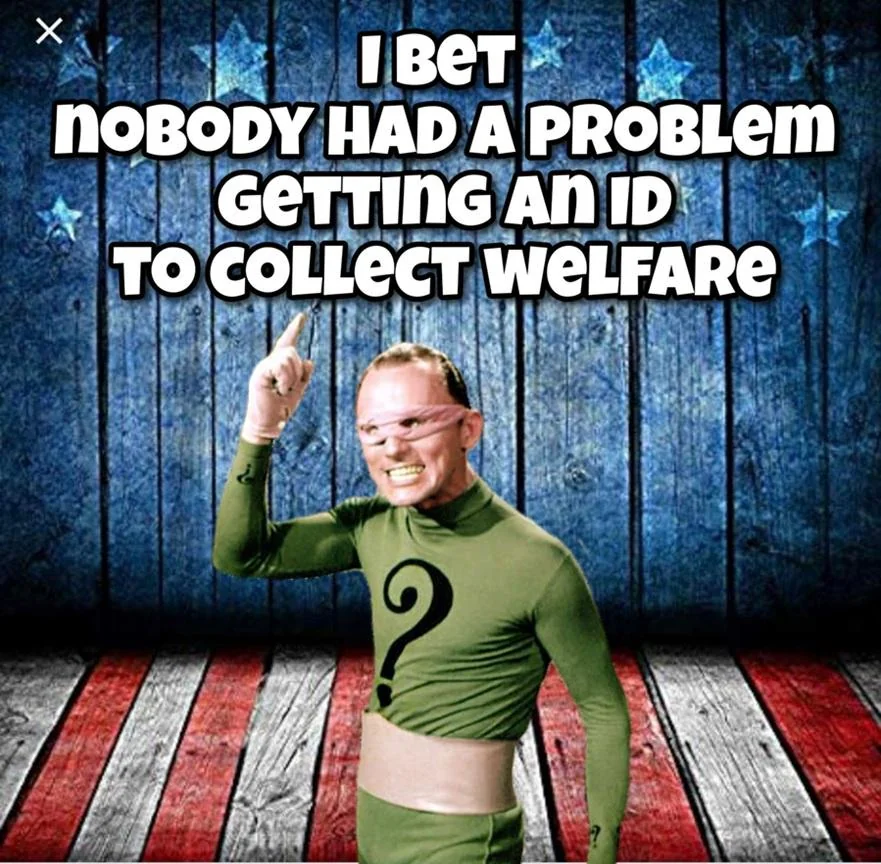
Beyond the immediate humor, the post amplified a long‑standing conservative narrative that private businesses can enforce identity checks without the logistical headaches critics attribute to government agencies. That narrative, first popularized during the 2004 presidential election, resurfaces whenever lawmakers introduce new verification measures, indicating the meme taps into an entrenched rhetorical playbook.
Scott Presler’s activist footprint
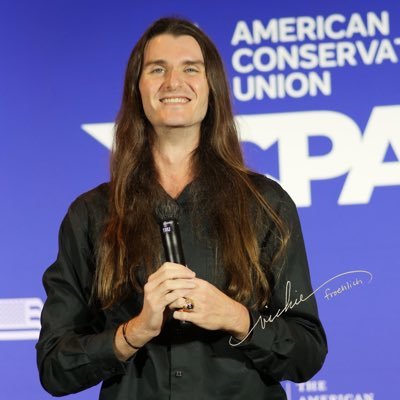
Scott Presler, known online as @ScottPresler and nicknamed “The Persistence,” built his reputation by organizing voter‑registration drives at gas stations, community festivals, and college campuses throughout Pennsylvania. His early work in 2020 contributed to a reported 12‑point swing toward Republican candidates in the state’s battleground counties. By 2024, Presler’s Early Vote Action platform claimed to have registered more than 150,000 voters, a figure that conservative media frequently cites when assessing grassroots impact. This background explains why his meme gained rapid traction: his established network can amplify a single post into tens of thousands of engagements, turning a meme into a de facto campaign ad.
Presler’s meme‑savvy approach mirrors earlier digital‑first tactics used by the Blue Angels flyover video that went viral in July 2026; both instances illustrate how visual shorthand can mobilize a base faster than traditional rallies. By leveraging a familiar brand, Presler sidestepped policy jargon, making the SAVE Act’s core demand instantly relatable to everyday diners.
What the SAVE America Act proposes
The Safeguard American Voter Eligibility (SAVE) America Act, introduced in the House in early 2025, mandates that every voter present a government‑issued photo ID and proof of citizenship before casting a ballot. The bill also calls for a nationwide database to cross‑check registration information against Department of Homeland Security records. Proponents argue that such safeguards would reduce voter fraud to levels comparable with the 0.001 % rate documented in the 2020 election audit. Critics, however, note that similar measures in states like Texas and Georgia have been linked to a 3‑5 % drop in turnout among minority voters, suggesting unintended disenfranchisement.
Comparing the SAVE Act to the 2002 Help America Vote Act reveals a shift from infrastructure funding to identity verification, a pivot that reflects growing partisan anxiety over election security. If enacted, the act could reshape campaign‑finance law by requiring political parties to fund state‑wide ID‑distribution programs, an indirect cost that may strain smaller GOP committees.
Political reactions on both sides
Republican leaders in the House praised Presler’s meme as “a clever illustration of common‑sense reform,” with Representative Jim Jordan (R‑OH) tweeting that “if a restaurant can demand ID for unlimited pasta, Congress can require it for ballots.” Meanwhile, Democratic critics argue the proposal “creates barriers for the very people it claims to protect,” citing civil‑rights groups that have filed amicus briefs in related lawsuits. The Senate Judiciary Committee scheduled a hearing for August 5, 2026, indicating that the bill will face rigorous scrutiny.
Opponents also point to the 2021 Colorado voter‑ID law, which resulted in a $2.3 million increase in administrative costs for county clerks, a detail that suggests the SAVE Act could impose similar financial burdens on local election officials. By linking the meme to these broader fiscal concerns, critics aim to shift the conversation from identity verification to resource allocation.
What the SAVE Act could mean for everyday voters
For a typical Pennsylvania voter, the legislation would introduce three concrete changes at the polling place. First, a driver’s license or state‑issued ID would become mandatory, even for voters who previously used a “signature‑only” ballot. Second, a new online portal, slated for launch in early 2027, would allow residents to upload citizenship documents ahead of Election Day. Third, counties would receive federal grants to install temporary ID‑verification kiosks in rural precincts, a measure intended to offset travel barriers.
- Present a valid photo ID at the voting booth, or face a provisional ballot delay.
- Register for the upcoming “Voter ID Help” app, which sends reminder notifications 30 days before each election.
- Attend a community “ID Fair” hosted by local elections offices, scheduled to begin in September 2026.
- Expect longer wait times on Election Day as staff verify documents against the new federal database.
These adjustments could indirectly affect small businesses that rely on employee voting rights, as employers may need to provide paid time off for workers to attend ID‑fair appointments. Moreover, the requirement may spur a secondary market for low‑cost identification services, echoing the surge in “photo‑ID assistance” nonprofits that emerged after Texas passed its voter‑ID law in 2021.
Next steps in the legislative journey
Following the August 5, 2026 hearing, the Senate is expected to vote on a bipartisan amendment that would add a “hard‑ship exemption” for voters lacking any government‑issued ID. If the amendment passes, the bill could move to the House floor by late September, with a potential vote before the November midterm elections. Lawmakers from swing states such as Ohio and Nevada have signaled they will weigh constituent feedback closely, recognizing that public opinion on voter‑ID measures has fluctuated from 45 % support in 2023 to 52 % after the Olive Garden meme went viral.
Analysts note that the timing of the bill’s push—just weeks before the midterms—mirrors the 2010 push for the “Citizen’s Right to Vote” amendment, which ultimately stalled after intense media scrutiny. Should the SAVE Act survive the legislative gauntlet, its implementation could set a national precedent that reshapes voter‑registration practices for the next decade.
Frequently Asked Questions
Conclusion
Presler’s Olive Garden meme turned a routine restaurant rule into a catalyst for national debate, illustrating how everyday experiences can be weaponized in policy arguments. If the SAVE America Act advances, millions of voters will need to secure a qualifying ID before stepping into a booth, a shift that could reshape campaign logistics, voter‑turnout patterns, and even small‑business operations. The most tangible takeaway for readers: prepare now by confirming that a valid photo ID is on hand, and watch for local “ID Fair” events that may appear in the coming months.