
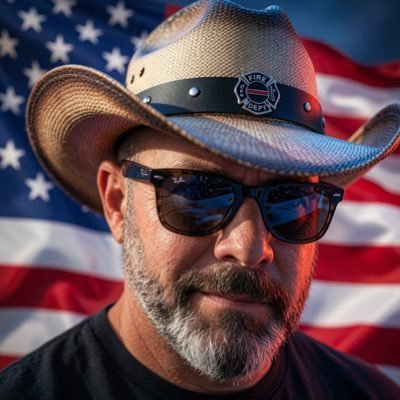
Mike Bales posted a list of welfare program abuses on X on July 19, 2026. The retired fire chief and Navy veteran framed the enumeration as a challenge to assertions that election systems are flawless. His tweet, which enumerated SNAP, Medicaid, Medicare, home‑healthcare, daycare, medical‑transportation and hospice fraud, amassed more than 25,000 likes within a few days and sparked a cascade of replies. By juxtaposing entitlement‑program loss estimates with the claim of “zero election fraud,” Bales tapped a vein of skepticism that has been growing since the 2020 election cycle. The episode matters because it forces policymakers, auditors and voters to confront two parallel narratives of governmental integrity: one rooted in fiscal stewardship, the other in democratic legitimacy. As the conversation moves beyond social media, legislators may feel pressure to address both financial waste and perceived electoral complacency.
Mike Bales, a retired fire chief, posted a viral X message on July 19, 2026 listing multiple welfare fraud categories and questioning claims of zero election fraud; the post quickly gathered over 25,000 likes and ignited a national debate about government accountability.
Scale of Documented Welfare Fraud
Fiscal reports released for fiscal year 2025 show SNAP overpayments climbing to roughly $10 billion, while error rates hovered near 11 percent according to USDA data. Medicaid improper payments have been estimated between $31 billion and $37 billion in recent years, representing a breach of more than five percent of the program’s total outlays. Medicare follows a similar pattern, with the Government Accountability Office identifying tens of billions in fraudulent claims each year. These figures matter because they illustrate a systemic issue that costs taxpayers a share of the national debt each quarter, and they provide a statistical backdrop that Bales leverages to question electoral confidence. When billions disappear from assistance programs, public trust in the administration of other public functions, such as voting, can erode rapidly.
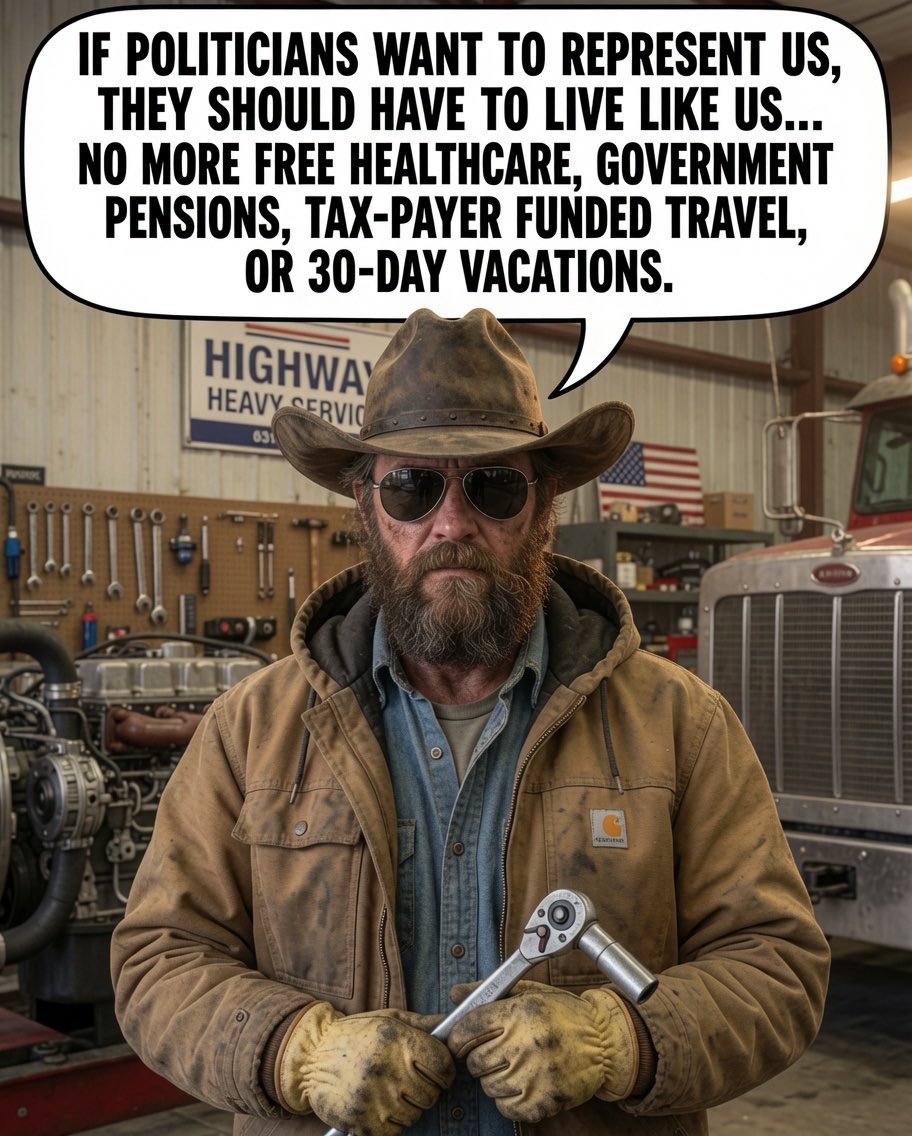
Mike Bales: Platform and Rhetoric
Georgia‑based Bales commands a following that surpassed 70,000 followers by mid‑2026, according to X analytics. His biography emphasizes service as a fire chief and a Navy veteran, a combination that often lends credibility to his commentary on public policy. The rhetorical device he employs—listing concrete fraud categories before questioning election integrity—mirrors a classic persuasive technique where specific grievances amplify broader skepticism. This approach resonates with audiences who have witnessed local SNAP fraud investigations, such as the 2024 Philadelphia case where a ring of retailers siphoned $2 million from benefits. By invoking familiar abuses, Bales transforms abstract doubts about voting into a tangible critique of governmental oversight, a strategy that has historically amplified message virality on social platforms.
Public Reaction and Political Context
Within hours of the July 19 post, replies ranged from agreement—some users claimed “all the fraud is because of election fraud”—to outright dismissal, with commenters insisting “our elections are incredibly robust.” The split mirrors earlier 2022 debates after the Department of Justice announced a review of Georgia’s 2020 ballot count, where social media users similarly polarized around perceived integrity. By echoing a familiar partisan divide, Bales’ message amplified existing fault lines rather than creating a new controversy. Moreover, a handful of Republican lawmakers referenced the tweet during a September 2026 hearing on SNAP oversight, suggesting that the discussion could influence upcoming legislative proposals aimed at tightening eligibility verification.
Comparable Government Accountability Episodes
Congressional scrutiny of program fraud is not new; the 2018 “Operation: Clean Sweep” investigation into Medicare overbilling resulted in $1.2 billion in recovered funds and prompted tighter claim‑submission rules. That episode illustrates how public exposure of financial abuse can trigger policy reforms, a pattern that may repeat if Bales’ framing sustains media attention. Similarly, the 2020 “Food Stamp Fraud Task Force” in California uncovered a network of counterfeit EBT cards, leading to a statewide audit and the introduction of biometric verification in 2021. These precedents suggest that heightened public awareness, especially when amplified by viral social content, often translates into legislative or regulatory action.
- Confirmed fact: Bales’ X message listed eight distinct fraud categories on July 19, 2026.
- Confirmed fact: SNAP overpayments reached $10 billion in FY 2025.
- Fact under verification: Whether the federal election‑integrity narrative will shift in response to this debate.
- Fact under verification: Potential introduction of a bipartisan bill targeting EBT card security by early 2027.
What Remains Unclear
Analysts note that the exact correlation between welfare‑program loss estimates and alleged election irregularities lacks empirical support; no peer‑reviewed study has linked SNAP fraud rates to ballot‑count discrepancies. Yet the perception gap may influence voter behavior, especially in swing states where both programs and elections are politicized. Additionally, it is uncertain whether federal agencies will convene a joint task force to address the dual narrative of financial and electoral integrity, a step that would echo the 2015 bipartisan “Integrity Commission” formed after the Snowden disclosures. Monitoring congressional hearings scheduled for November 2026 will reveal whether lawmakers view Bales’ viral critique as a catalyst for broader reform.

Frequently Asked Questions
Conclusion
Observing Bales’ X message reveals a convergence of fiscal and democratic anxieties that could reshape policy agendas in the coming months. Stakeholders should watch for legislative proposals targeting EBT security, upcoming GAO reports on Medicaid overpayments, and any bipartisan initiatives that reference the “zero election fraud” claim. As Congress convenes in November, the interplay between welfare‑program oversight and election‑integrity rhetoric will likely determine whether the viral post translates into concrete reforms or remains a momentary flash on the social‑media landscape.