
Over 1,644 confirmed cases have been tied to a single source of shredded iceberg lettuce, making this the largest Cyclospora incident on record. The parasite, invisible to the naked eye, spread through contaminated produce harvested in central Mexico and shipped across the United States. Illnesses began surfacing as early as May 13, 2026, and continued through July 13, prompting the CDC and FDA to issue a coordinated alert on July 19. Health officials warn that symptoms—prolonged watery diarrhea, abdominal cramps, and fatigue—can linger for weeks without proper treatment, stressing the urgency of rapid identification and removal of tainted food from the marketplace. That matters because millions of Americans rely on pre‑cut salads for convenience, and a single contamination event can ripple through grocery aisles, school cafeterias, and fast‑food kitchens nationwide.
Taylor Farms voluntarily recalled iceberg lettuce sold from June 29 to July 16, 2026, after the CDC linked more than 1,600 confirmed Cyclospora cases to the produce. The recall covers lettuce distributed to 27 states and sold under brands such as Walmart’s Marketside, Taco Bell, Jack in the Box, and Sysco.
Outbreak Details
In mid‑July 2026, the CDC reported 94 hospitalizations among the 1,644 confirmed Cyclospora infections, with an estimated 7,000 suspected cases still under investigation. The traceback effort singled out shredded iceberg lettuce served at Taco Bell locations in Indiana, Kentucky, Michigan, Ohio, and West Virginia as the common denominator. Because Cyclospora oocysts survive typical washing, the pathogen can persist from farm to fork unless the lettuce is cooked thoroughly.
Over 1,644 confirmed cases, 7,000 suspected cases, 94 hospitalizations, and 27 affected states illustrate the scale of this supply‑chain failure. These numbers matter for the average shopper who may have bought a bag of lettuce for a home salad, because a single contaminated package can affect an entire family for weeks, forcing them to miss work, seek medical care, and incur out‑of‑pocket expenses.
- 1,644 – confirmed Cyclospora cases linked to the outbreak
- 7,000 – estimated suspected cases under investigation
- 94 – hospitalizations reported to the CDC
- 27 – states receiving the recalled lettuce

Recall Action and Distribution
Between June 29 and July 16, 2026, Taylor Farms issued a voluntary recall of iceberg lettuce sourced from its Mexican operations, targeting products sold to food‑service operators, Walmart’s Marketside brand, and several fast‑food chains. The recall notice listed lot numbers, package sizes, and distribution dates, enabling retailers to pull items from shelves swiftly.
Because the recalled lettuce appeared in 27 states, a typical consumer might encounter the product at a neighborhood grocery, a university dining hall, or a corporate cafeteria. Removing the bags from shelves reduces the chance that a family will unknowingly purchase contaminated lettuce, cutting off the chain of infection before it reaches home kitchens.

Political Contributions and Inspection Concerns
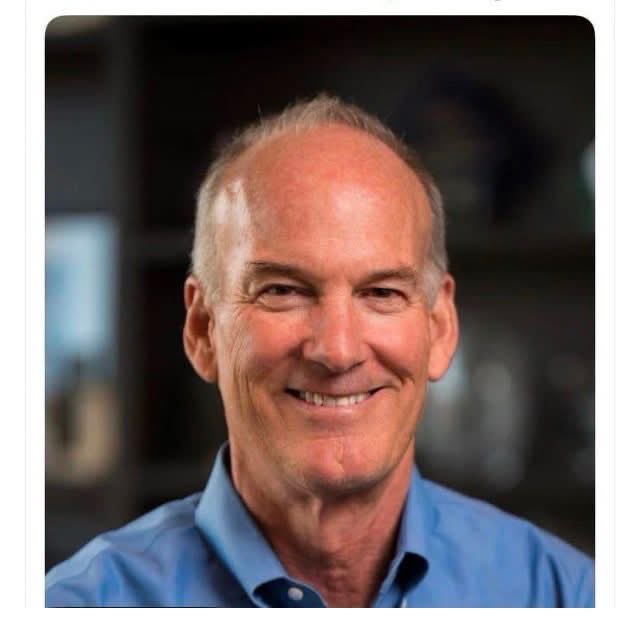
Public donation records show that the Taylor family PAC contributed more than $250,000 to Republican candidates and committees during the 2024 election cycle, including sizable checks to groups supporting former President Donald Trump. Critics argue that such contributions may create a perception of regulatory leniency, especially after a viral X post claimed the CEO “does not allow his lettuce pickers to take bathroom breaks.”
Even if no formal quid‑pro‑quo exists, the optics influence consumer trust; shoppers who learn about political ties may question whether food‑safety inspections received the same rigor as those of smaller competitors, potentially shifting purchasing decisions toward brands perceived as more transparent.

Labor Practices Allegations
Social‑media claims allege that Bruce Taylor prohibited bathroom breaks for field workers, a charge that aligns with past lawsuits accusing the company of violating California labor law. Although no court ruling has yet confirmed these allegations, the narrative fuels broader concerns about worker safety in agribusiness.
For a field laborer, the inability to rest can increase fatigue, potentially leading to mishandling of produce and higher contamination risk. When workers are over‑exerted, they may inadvertently spread pathogens from soil to leaves, a factor that could have contributed to the Cyclospora event.
Industry Response and Comparable Outbreaks
Following the CDC alert, Taco Bell, Jack in the Box, and food‑service distributor Sysco removed the implicated lettuce from menus and inventory within 24 hours. Walmart issued a public notice directing shoppers to check lot codes on Marketside bags, mirroring actions taken during the 2022 E. coli outbreak linked to romaine lettuce.
Comparing the 2026 Cyclospora incident to the 2022 romaine crisis highlights how supply‑chain transparency has improved; modern traceability software allowed investigators to pinpoint the Mexican farm within weeks, a process that previously took months.
Future Prevention and Monitoring
FDA officials announced that, starting August 2026, all imported fresh‑cut lettuce will undergo mandatory molecular testing for Cyclospora, a step that could detect contamination before produce reaches U.S. ports. The agency also plans to increase on‑site inspections of Mexican packing facilities, a move aimed at closing gaps identified during the current outbreak.
For everyday consumers, these regulatory changes translate into a higher likelihood that a lettuce bag scanned at checkout has passed a lab test, reducing the probability of future gastrointestinal illness and restoring confidence in pre‑washed greens.
Frequently Asked Questions
Conclusion
Numbers from the 2026 Cyclospora episode—1,644 confirmed cases, 94 hospitalizations, and a 27‑state recall—signal a turning point for fresh‑cut produce oversight. As regulators tighten testing protocols and companies invest in traceability, the probability of another large‑scale outbreak should decline. Yet the episode also exposes how political donations, labor practices, and supply‑chain opacity can intersect to magnify risk. For shoppers, vigilance will shift from simply reading labels to verifying lot codes and staying informed about recall alerts. If the industry embraces the new FDA mandates, the next wave of lettuce may arrive with fewer hidden hazards, allowing consumers to enjoy convenient salads without fearing prolonged illness.